Choosing the right template for your startup is an important step in building a professional and effective online presence. Whether you are creating a business website, landing page, or online portfolio, the template you select can influence your brand image, user experience, and overall business performance.
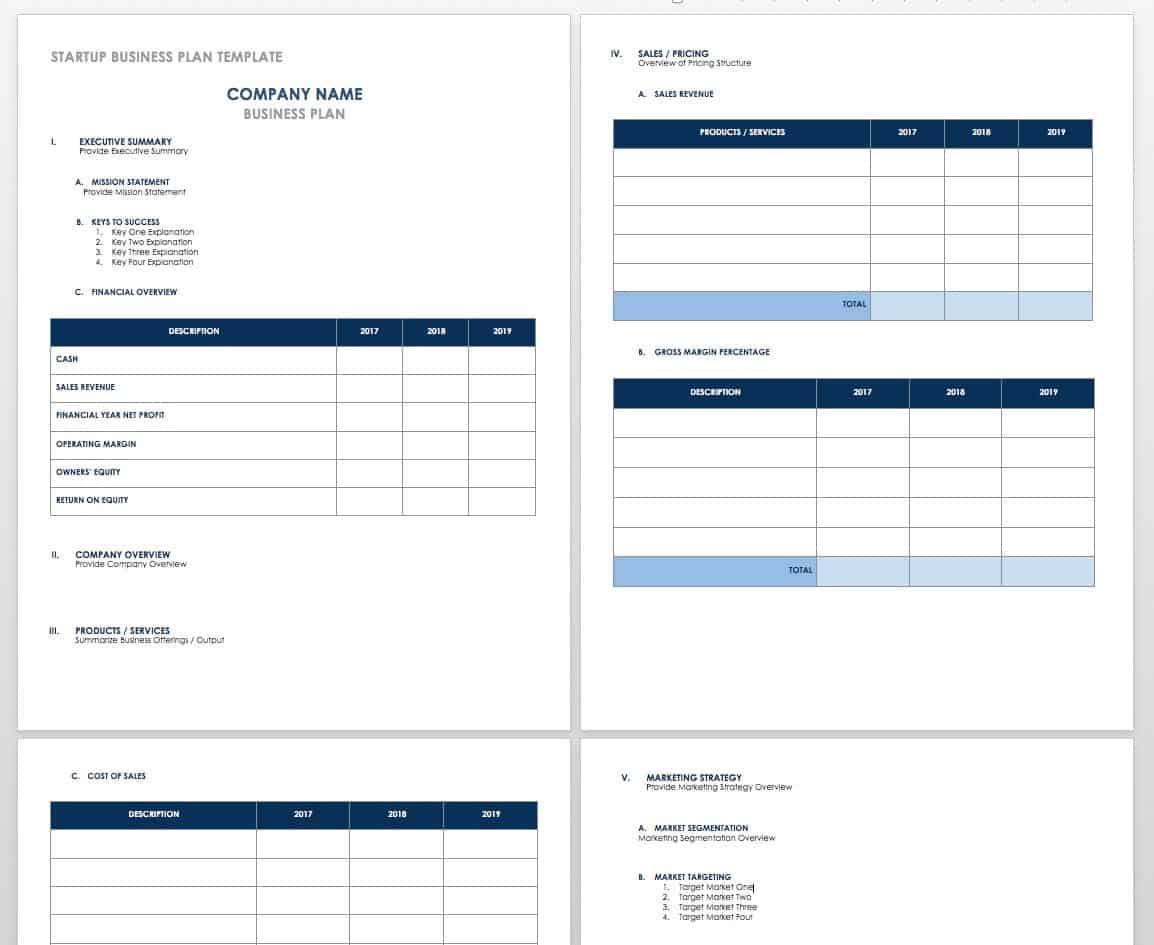
However, many startup owners make common mistakes when choosing a template, such as focusing only on appearance, ignoring mobile responsiveness, overlooking customization options, or failing to consider website speed and scalability. These issues can create problems as the business grows. Understanding these common pitfalls can help you choose a template that not only looks attractive but also supports your startup’s long-term goals and provides a better experience for your visitors.
Understanding the Role of Templates in Startup Success
Imagine you’re launching a new tech startup. You’ve got a revolutionary idea, a solid team, and now you need an online presence that reflects your brand’s innovation. Your first step is often selecting the right template for your startup’s website or app. Here’s where many stumble, surprisingly.
Templates offer quick solutions—perfect for startups tight on budget and time. Yet, choosing the wrong template can lead to wasted resources and missed opportunities. Why? Because every decision carries weight when you’re building something from scratch.
The Allure of Aesthetic Appeal
A common mistake founders make is prioritizing aesthetics over functionality. It’s easy to fall for visually stunning templates with flashy animations and intricate designs. But consider this: does it enhance user experience or merely distract? Focus on templates that marry form with function; a beautiful design should also be intuitive and seamless.
For instance, you might find a template with vibrant colors and dynamic sliders attractive. But if it slows down load times or complicates navigation, users may bounce faster than they arrived—affecting your site’s performance metrics and search rankings.
The Curse of Over-Customization
Customization is both a blessing and a curse in the world of templates. While personalizing can set your startup apart, excessive tweaks might undermine the template’s original purpose. Templates are crafted to provide consistency in design language; veering too far off-course can lead to compatibility issues or dilute branding efforts.
Picture this: you’ve chosen a simple e-commerce template but decide to add multiple plugins for customer reviews, newsletters, and pop-ups. Each addition increases complexity—and potential malfunction points—increasing maintenance costs over time.
Lack of Mobile Responsiveness
Here’s a critical pitfall: ignoring mobile responsiveness when selecting a template for your startup. Data shows that as much as 54% of global web traffic comes from mobile devices. If your site doesn’t adapt smoothly across various screen sizes, expect frustrated users who’ll click away without hesitation.
- Check Compatibility: Test templates on different devices before committing.
- Simplicity Rules: Opt for designs that effortlessly scale down without losing essential features.
Poor SEO Foundations
An often-overlooked aspect is how well-optimized the template is for search engines out-of-the-box. A template that doesn’t support basic SEO practices can hinder visibility just when you need it most—at launch! Look for clean code structures, fast load times, and built-in options to customize meta tags easily.
Your future self will thank you when organic traffic starts trickling in without hiccups because foundational elements were addressed early on.
The Trap of Trendiness
Catching onto trends might seem like an excellent idea at first glance. However, what’s “in” today could look dated tomorrow—and rebranding isn’t cheap or simple once established online identities form around these fleeting styles.
- Select Timeless Designs: Classic layouts offer longevity beyond temporary trends.
- Avoid Gimmicks: Features based solely on current fads may not serve long-term goals effectively.
The Importance of Support and Updates
No matter how appealing a template appears initially, its true value shines through ongoing support services provided by developers along with regular updates addressing bugs/security issues promptly—a crucial factor safeguarding digital presences against evolving cyber threats over time!
If tempted by free options found across various platforms boasting endless customization possibilities yet little backing; remind yourself there are no shortcuts worth risking stability upon later stages down entrepreneurial journey roadmaps ahead either…
The Takeaway: Intentional Choices Lead to Sustainable Growth
Selecting the ideal template means looking beyond surface-level attractiveness toward sustainable growth factors integrating into everyday operations smoothly while leaving room innovation flourish naturally alongside scaling ambitions unfold organically thereafter accordingly too!


