Easy business templates are the solution for every business owner. Choosing the right business template can make planning and managing a business much easier. However, not all templates include the features you really need. Some may look simple and professional but lack important tools that help you organize tasks, manage finances, and track business progress. Before choosing a template, make sure it includes these three essential features that can help you save time, stay organized, and make better business decisions.
Missed Opportunities in Business Templates
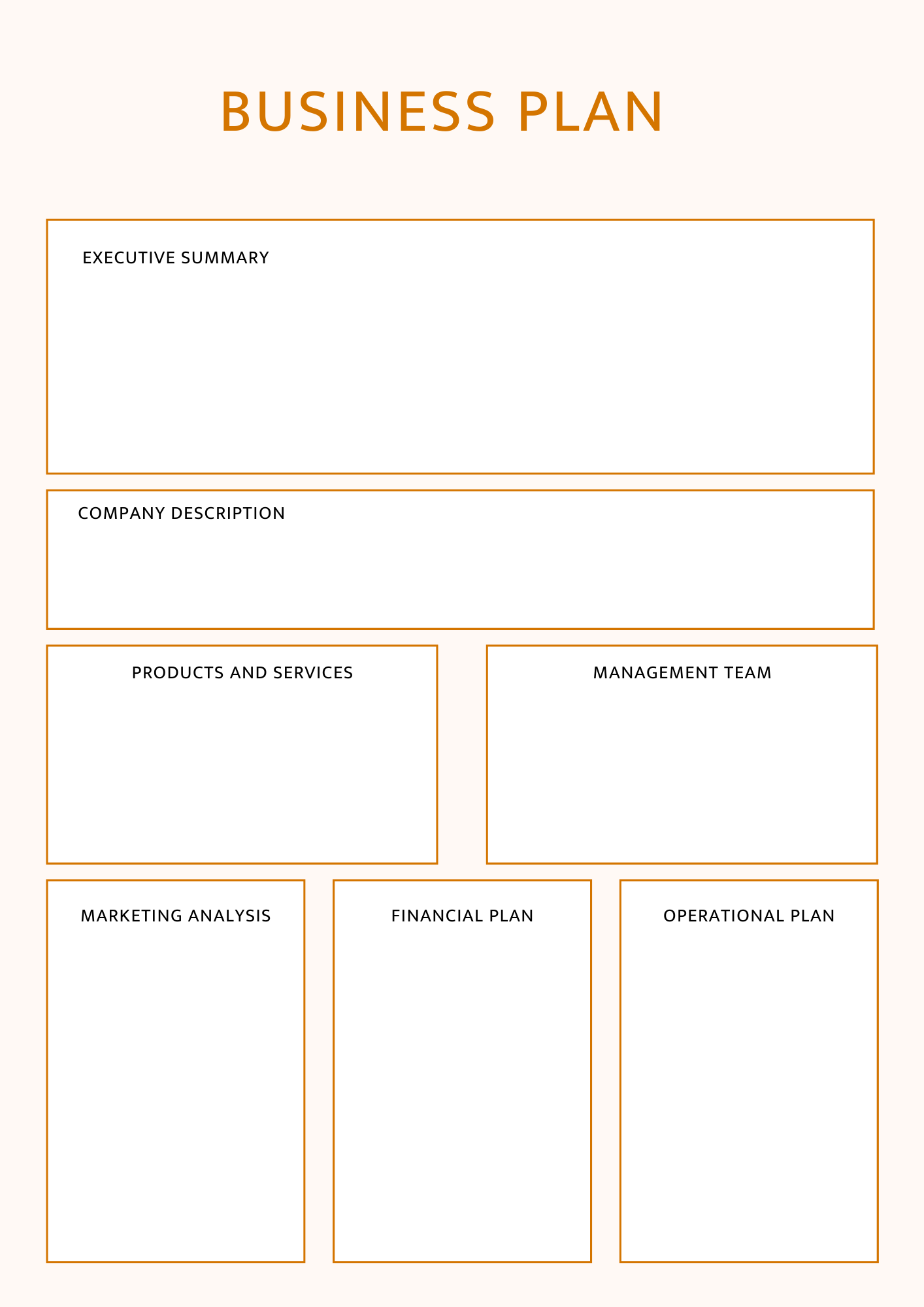
Imagine launching a new marketing campaign. You’ve got the ideas, the team, and the strategy. But as you dive into preparing materials, you’re overwhelmed by clunky templates that complicate rather than simplify. Sound familiar? Many businesses encounter this frustration, often overlooking features that could streamline these tasks.
Business template easy solutions should make your life smoother, not more tangled. Yet, many users miss out on essential features that enhance productivity and communication. Let’s explore three often-overlooked elements that could transform how you utilize templates.
1. Customizable Automation Features
Automation can seem like a buzzword until you’re knee-deep in repetitive tasks that eat away at your day. Consider a company with a dozen active projects, each requiring weekly updates for stakeholders. Without automation, team members might spend hours inputting similar data across multiple documents.
Business templates with customizable automation can relieve this burden. For instance, imagine a template that automatically populates fields from your database or CRM system every time it’s opened. A sales team using such a feature can instantly generate updated pricing sheets or client proposals without manual entry errors.
- Real-world impact: A mid-sized consultancy reported reducing administrative overhead by 25% after integrating automated templates.
- The trade-off: Initial setup requires an investment of time and possibly technical expertise—yet the payoff is significant in efficiency gains.
2. Seamless Integration Capabilities
Your template is only as good as its ability to work with other tools in your arsenal. Picture trying to sync financial reports between Excel and your project management software manually—nightmare fuel for any finance officer.
A business template easy to integrate with other software can be a game-changer here. Look for ones offering APIs or direct plugins with platforms like Google Workspace, Microsoft Office 365, or industry-specific software suites.
- Example: A retail chain integrated their inventory management systems with their business reporting templates, cutting down monthly reconciliation time from days to hours.
- The subtle downside: Dependencies on third-party tools might mean occasional service disruptions impact workflow continuity.
3. Collaborative Editing Options
If you’ve ever been part of an email thread titled “Report_v9_Final_Final.docx,” you know the pain of managing document versions among multiple contributors. An easy-to-use business template with collaborative editing can eliminate this headache entirely.
This feature allows real-time editing by various team members simultaneously while tracking changes effortlessly—a must-have for teams spread across locations or working remotely.
- The practical advantage: Marketing departments utilizing collaborative features report faster turnaround times on deliverables due to reduced back-and-forths in edits and approvals.
- The trade-off to consider: Security remains paramount; ensure robust permissions are set so sensitive information isn’t mistakenly shared or altered by unauthorized users.
The Underestimated Power of Smart Templates
A robust business template easy to customize and integrate isn’t just about saving time; it’s about transforming how teams operate daily. These overlooked features—automation, integration, collaboration—help create a seamless workflow tailored precisely to your needs without unnecessary detours into repetitive tasks and miscommunications.
The next step? Dive into your current systems and assess where gaps exist due to underutilized features. Then explore solutions that not only fill those gaps but elevate your entire operation’s efficiency level.
Your team’s productivity—and sanity—might thank you!


