Simple Business Plan Template is a solution for business plan, especially for startup company. Two years ago, startup founder Jake Wilson sat surrounded by clutter. Piles of paper and half-baked strategies filled the small co-working space he shared with his three-person team. They had a product—an innovative project management tool—but lacked direction. Sales were stagnant, hovering around $50,000 annually. It wasn’t that the idea was bad; rather, their execution was unfocused. Amid this chaos, they stumbled upon a basic business plan template.
The Power of Simplicity
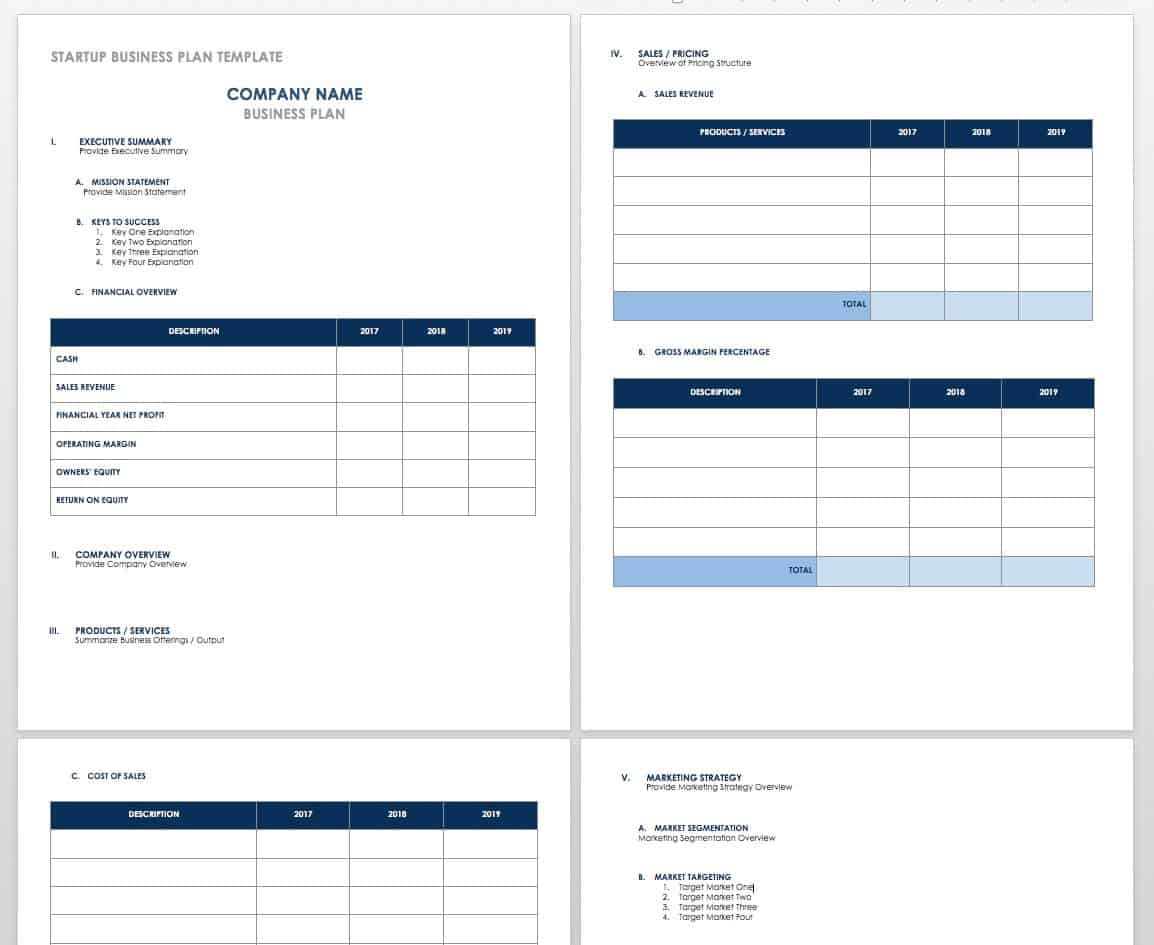
In the startup world, many believe complexity equals sophistication. This assumption can lead to overly elaborate strategies that few can execute effectively. What Jake discovered was quite the opposite: simplicity drives action. The business plan template they found wasn’t fancy—it had sections for mission statements, market analysis, financial projections, and goals. But Simple Business Plan Template simplicity forced them to distill their strategy into clear, actionable steps.
They ditched long-winded brainstorming sessions in favor of concise meetings focused on filling out each section of their new roadmap. Within weeks, they noticed a shift in dynamics—a newfound clarity that galvanized their efforts.
A Framework of Simple Business Plan Template That Sets Priorities
A robust business plan clarifies priorities. For Jake’s team, the immediate priority was scaling sales without diluting equity or taking on debt—a common dilemma faced by cash-strapped startups. Their solution lay in targeting a niche market segment identified during the market analysis phase of their planning process.
- Market Analysis: Identified underserved small-to-mid-sized businesses needing affordable project management solutions.
- Financial Projections: Set targets to boost revenue to $100k within six months using existing resources.
- Strategic Goals: Focused on enhancing product features specifically tailored for SMEs (Small and Medium Enterprises).
This approach provided clarity on which development paths to pursue and which marketing channels to prioritize—social media campaigns aimed at LinkedIn professionals in this niche were cheaper yet highly effective.
The Revenue Multiplier Effect
The impact of these targeted actions was immediate and measurable. By Q4 of the first year post-implementation, revenue climbed to $200k—double what it had been prior to adopting the business plan template framework.
Their success wasn’t just about hitting numbers; it reflected deeper customer engagement and loyalty within their target segment. According to data collected via customer feedback surveys and usage statistics from integrated analytics tools like Mixpanel and Google Analytics, user satisfaction rates improved by 35%. More repeat customers led not only to increased direct sales but also generated organic referrals—a powerful multiplier effect.
Navigating Trade-offs with Data-Driven Decisions
No strategy is perfect; every decision comes with trade-offs. Jake’s team understood this well when they decided against pursuing larger enterprise clients who required customized solutions beyond their current capabilities—options flagged as high-risk due to longer sales cycles and potential resource strain.
This cautious approach enabled them instead to double down on refining features for SMEs such as streamlined dashboard functionalities that offered quick insights without overwhelming data interfaces—catering directly towards speed-focused startups similar in size and scope as theirs had once been when grappling with chaotic beginnings themselves!
The Cost-Benefit Analysis Payoff
A careful cost-benefit analysis underlined each decision made throughout implementation stages—from product development adjustments through marketing channel selections—all distilled back into concrete figures presented within structured updates derived straight off elements originally detailed inside simple yet efficient templates guiding everything step-by-step along steady growth trajectories assuredly propelling successes forward ever upward bound!
The company reduced unnecessary expenses by more than 20% by identifying and stopping ineffective advertising campaigns. The team reviewed customer demographics and purchasing habits to better understand the target audience. This helped the business focus its advertising budget on the right customers, use resources more efficiently, and improve overall marketing results.


