The Misfit Template: A Common Oversight
Consider an ambitious startup founder, Sarah. She eagerly downloads a business template expecting it to solve her problems. Yet, three months in, she finds herself grappling with mismatched goals and unachievable timelines. What’s the deal? She’s not alone. In fact, 90% of entrepreneurs fall into similar traps with their business templates.
Copy-Paste Syndrome
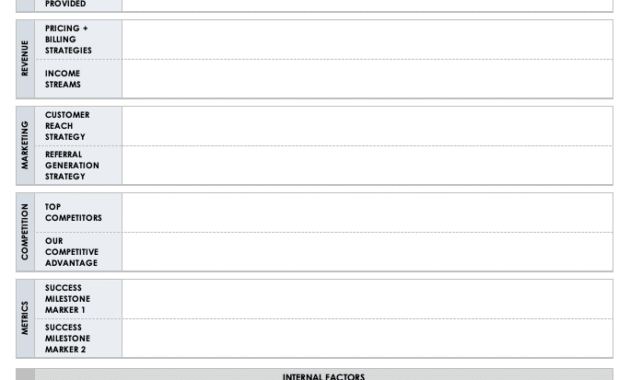
One glaring mistake is treating business templates like infallible blueprints rather than flexible guidelines. Many entrepreneurs simply copy and paste these templates into their strategies without adjusting for their unique circumstances. This can lead to inefficiencies and misaligned priorities.
A template designed for a tech startup in Silicon Valley might emphasize aggressive scaling tactics unsuitable for a local café in Kansas City. Templates offer structure, but businesses must tweak these structures to fit their specific needs and markets.
Ignoring the Unique Business Identity
Entrepreneurs often overlook how important it is to preserve their brand’s unique identity when using business templates. Imagine you’re running a sustainable clothing line; adopting a template focused on rapid production could undermine your core values.
A successful use of a business template involves integrating brand-specific elements—like mission statements or value propositions—that resonate with your audience. Customization isn’t just beneficial; it’s essential.
Miscalculating Resource Allocation
Templates might suggest resources that don’t align with your actual capabilities or budget constraints. For instance, if a template advises hiring ten salespeople within the first year but you can’t sustain such payrolls yet, this can lead to premature scaling issues.
- Realistic Planning: Analyze your financial health before following any prescribed actions.
- Gradual Scaling: Consider incremental steps that align better with current resources.
The Trap of Complex Jargon
The language used in some business templates can be excessively complex, creating barriers instead of insights. New entrepreneurs might feel compelled to use buzzwords they don’t fully understand simply because they’re part of the template they’ve chosen.
Simplifying jargon into plain language ensures clarity among team members and stakeholders, enhancing communication and understanding across the board.
Lack of Continuous Evaluation
A static plan is as good as no plan at all. Business environments change rapidly—just look at how companies adapted during unexpected global events over recent years. Entrepreneurs often make the mistake of not revisiting and adapting their chosen business templates regularly enough.
- Scheduled Reviews: Implement quarterly reviews to assess progress and relevance.
- Pivotal Adjustments: Be open to making significant changes when market conditions shift dramatically.
The Financial Blind Spot
An astonishing number of entrepreneurs rely heavily on generic financial projections within templates without scrutinizing them against real-world data or trends specific to their industry or region. This oversight leads directly into cash flow issues or worse—business failure due to unforeseen financial pitfalls.
Diving deep into historical data relevant to your niche can provide more reliable metrics than what most generalized templates offer on paper alone.
A Different Approach: Personalizing Your Template Strategy
The takeaway here is clear: while business templates are valuable tools, they should be treated as starting points rather than definitive guides. Here’s how you can turn potential pitfalls into stepping stones:
- Tailor-Made Adjustments: Adapt each section of the template based on feedback from key stakeholders who understand different facets of your operation intimately—from marketing nuances down to supply chain intricacies.
- Cultural Calibration: Ensure alignment between corporate culture reflected within the template and day-to-day operations experienced by employees at every level internally (and customers externally).
- Simplicity Over Sophistication: Embrace simple language that conveys actionable insights over complicated phrasing that obfuscates true intention behind strategic decisions captured therein—for everyone’s sake involved!
If you’re using a ‘business template’, remember it’s just one piece of the puzzle—not the entire solution itself! By approaching these templates thoughtfully—with personalization top-of-mind—you’ll transform potential oversights into opportunities for growth tailored uniquely towards achieving lasting success amidst ever-evolving industry landscapes today—and beyond tomorrow too!


