Choosing the right business template can make daily operations easier, improve organization, and save valuable time. However, a template that works well for your competitor may not deliver the same results for your business. Every company has different goals, workflows, customers, and operational needs. Simply copying another business’s template without considering these differences can lead to confusion, inefficiency, and missed opportunities.
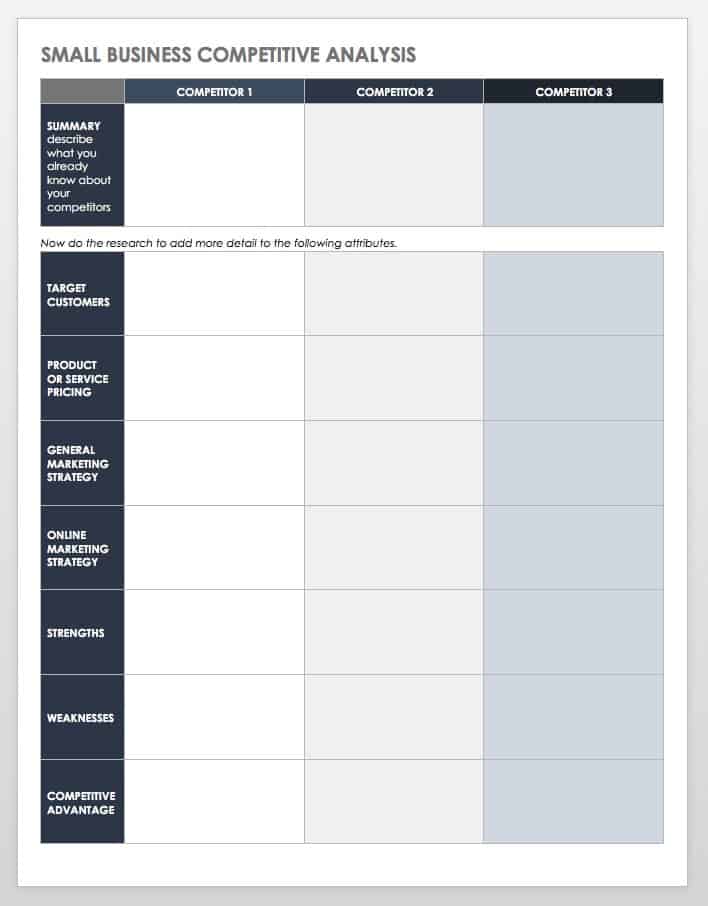
Understanding why your competitor’s business template isn’t working for you is the first step toward finding a solution that better fits your needs. In this article, we will explore the common reasons behind this problem and explain how to choose or customize a business template that supports your workflow and long-term growth.
The Illusion of a Perfect Fit
Picture this: Your competitor just revamped their business operations, and it seems like they’ve hit the jackpot. Increased sales, buzzing social media presence, and glowing customer reviews. Naturally, you think about borrowing their business template. But when you implement the same strategies, nothing happens. The response is lukewarm at best. Frustrating, isn’t it?
This scenario is all too common in the business world. Many entrepreneurs quickly adopt what appears to be a successful model without considering if it truly suits their unique circumstances. It’s like trying on someone else’s tailored suit—it might look great on them but feel awkward and restrictive on you.
Understanding Contextual Differences
Your competitor’s success hinges on countless factors: industry specifics, target audience preferences, brand history, and even geographical location can all play a role. For instance, an aggressive social media campaign that works wonders for a trendy urban clothing store may fall flat for a rural hardware business whose clientele isn’t as digitally engaged.
Consider the case of two coffee shops—one nestled in a bustling city center and the other in a sleepy suburban neighborhood. While the city shop thrives with an online ordering app catering to office workers rushing through their day, the suburban shop may benefit more from community events or loyalty cards encouraging repeat visits from local families.
The Role of Brand Identity
Each business has its own story, its own voice. A critical misstep is neglecting this identity when adopting another’s business template. What makes your competitor stand out might not align with your brand values or mission statement.
Your authentic brand identity can resonate deeply with your audience when it’s genuine. Take Patagonia as an example—their commitment to environmental sustainability is woven into every aspect of their operations. If another outdoor retailer tries to mimic this without true dedication or capacity for such initiatives, customers will likely see through it.
Operational Capacity and Resources
Another often-overlooked factor is operational capacity. Your competitor might have resources—financial or human—that allow them to execute certain strategies effectively that you simply don’t have access to right now.
- Financial Constraints: Can your budget support the same marketing blitz?
- Workforce Limitations: Do you have enough staff to handle increased demand if your plan succeeds?
- Technological Infrastructure: Is your current system robust enough for new digital initiatives?
If these components aren’t aligned with your current capabilities, implementing their strategy could lead to burnout or financial strain rather than triumph.
The Need for Tailored Strategies
A one-size-fits-all approach rarely leads to sustainable success in business operations. Instead of copying outright, consider analyzing why certain elements work well within your competitor’s framework and how those principles might adapt uniquely for you.
Create your own versatile business template by focusing on core principles—such as customer engagement techniques or efficient supply chain practices—that can be customized according to various contexts and constraints specific only unto yourself! Identify opportunities where small changes based upon insights gleaned elsewhere transform into positive results unlike anyone else because they’re yours alone!
Cultivating Innovation Within
Your best strategies might emerge not from replication but inspiration drawn from observing others combined alongside internally generated ideas based upon firsthand knowledge stemming directly within teams working closest day-to-day tasks encountered during regular duties performed therein continually growing atmosphere!
- Encourage Experimentation: Allow room trial-error testing new methods potentially yielding unexpected yet promising outcomes impossible predicted via imitation alone!
- Nurture Creative Thinking: Foster environment rewards innovation encourages fresh perspectives regardless initial assumptions preconceived notions held previously believed immutable truths unquestionable beyond doubt whatsoever!
- Sustain Open Communication Channels: Keep dialogue flowing freely among team members ensuring everyone feels heard valued promoting collective problem-solving efforts stronger together rather separately isolated silos working independently one another aimlessly without direction purpose guiding them onward towards common goals shared mutually beneficial interests alike!
A Final Thought
Your competitor’s success can provide useful lessons, but it should serve as inspiration rather than a set of rules to follow. Before using their strategies, take time to understand how their business works and whether those methods fit your own goals and needs. Every business is different, so what works for one company may not work for another. Instead of simply copying others, focus on building your own strategy, learning from experience, and adapting to changes in the market. This approach can help you create a business that reflects your values and supports long-term success.


