A business proposal can be a great opportunity to attract clients, win new projects, and grow your company. However, many proposals fail because they lack clear information, have poor structure, or fail to present ideas in a convincing way. Even a strong business idea can lose its value if it is not communicated properly. This is where the right proposal template makes a difference. With a well-organized template, you can present your ideas more professionally, highlight important details, and make your proposal easier to understand. A simple change in presentation could be the key to creating proposals that get noticed and lead to better business opportunities.
The Common Pitfalls of Business Proposals
Imagine you’re a small business owner who’s spent weeks perfecting a proposal for a lucrative contract. You send it off with high hopes, only to receive a polite rejection weeks later. You’re not alone. The harsh truth is that most business proposals fail to hit the mark.
One key reason is lack of clarity. Many proposals suffer from being overly verbose or too technical, losing the reader before they’ve even begun. Others miss the crucial element of addressing the potential client’s needs directly. Instead of focusing on benefits, these proposals get bogged down in company history and technical jargon.
Another common problem? Poor structure and organization. A scattered layout can confuse and overwhelm decision-makers who are sifting through multiple submissions. This is where a well-crafted business proposal template becomes invaluable.
The Importance of Understanding Your Audience
A pivotal aspect often overlooked is understanding the audience’s expectations and preferences. For instance, if you’re pitching to a tech company, they might appreciate data-driven insights and innovative solutions over traditional sales pitches.
Engaging your audience means tailoring each proposal to their unique requirements and industry nuances. Using examples specific to their sector can demonstrate both expertise and empathy toward their challenges—qualities that stand out in competitive fields.
What Constitutes an Effective Business Proposal Template?
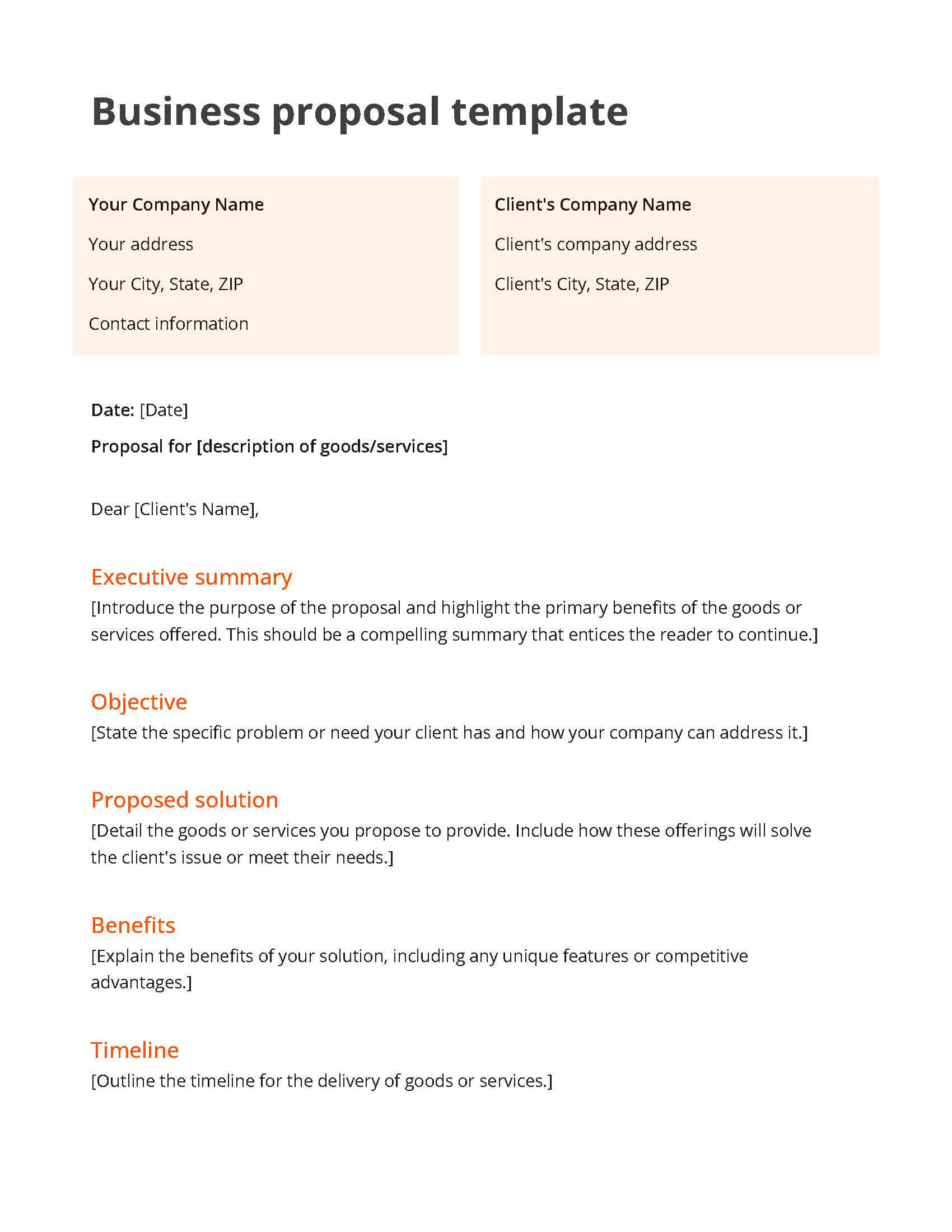
A successful business proposal template isn’t just about filling in blanks; it’s about creating an adaptable framework that ensures consistency while allowing for personalization.
- Executive Summary: Start with a concise overview that highlights your understanding of the client’s needs and how your solution meets them.
- Problem Statement: Clearly articulate the pain points or challenges faced by the client, backed by relevant data or anecdotes if possible.
- Your Solution: Explain how your product or service offers a viable solution, emphasizing unique features and potential benefits.
- Implementation Plan: Outline step-by-step how you intend to deliver your solution, including timelines and resources required.
- Pricing Information: Provide transparent pricing models or packages that align with the perceived value you bring to the table.
- Call To Action: End with clear next steps or actions you wish the client to take, encouraging further engagement or discussion.
The Game-Changing Benefits of Using Templates
An effective template offers several advantages beyond mere structure. Firstly, it saves time—especially valuable when deadlines loom large. Streamlining content creation lets businesses allocate more effort towards customizing proposals rather than reinventing the wheel each time.
A structured template also reduces errors often caused by last-minute rushes or oversight. It keeps essential elements front-of-mind so nothing critical slips through unnoticed—like ensuring all contact information is correct (a surprisingly common oversight).
This approach helps maintain brand consistency across different proposals sent out by various team members within an organization—a detail often appreciated subconsciously by clients when reviewing multiple documents side-by-side from competing entities vying for attention on similar projects simultaneously!
Tweaking Templates for Optimal Results
Every project is different, so business templates should be adjusted to meet specific needs. While standard templates provide a useful starting point, customizing them helps ensure that the content fits your goals and audience. Choose a format that works best for your project, then make changes where necessary. This simple approach can make your proposals clearer, more professional, and more effective.
A Final Thought: Embracing Change
If your current approach isn’t delivering the results you want, it may be time to try something different. Using flexible templates that can be adjusted for each potential client can help you create more effective proposals. By understanding your audience and focusing on their needs, you can present your ideas more clearly and professionally. This approach can improve your chances of building trust, meeting expectations, and achieving your business goals.