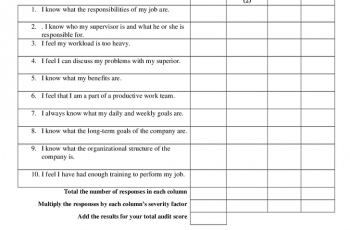
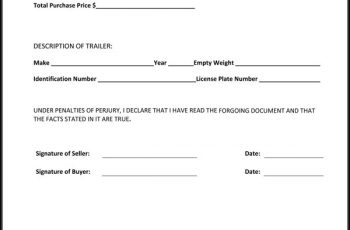
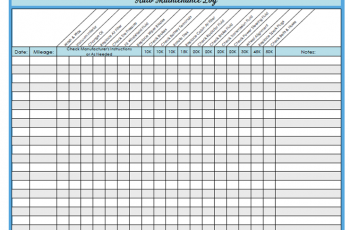
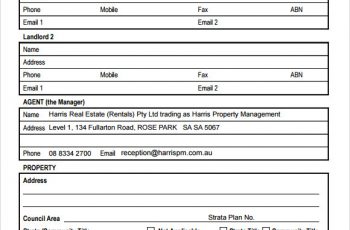
In today’s fast-paced business world, leaders often have to juggle multiple responsibilities while making important decisions under tight deadlines. Having the right tools can make a significant difference, and a well-chosen business template is one of the simplest yet most effective solutions. From organizing daily tasks and managing projects to preparing professional reports and presentations, business templates help save valuable time, improve consistency, and keep teams on the same page. What may seem like a small resource can actually have a powerful impact on productivity, allowing busy leaders to focus less on routine tasks and more on growing their businesses.
The Demands on Modern Leaders
Imagine this: It’s Monday morning, and your calendar is packed with back-to-back meetings. Your email inbox is overflowing, and there’s a critical presentation looming on the horizon. Sound familiar? For many leaders, this isn’t a one-off scenario but an everyday reality. The need for efficiency is pressing, yet the path to achieving it often seems elusive.
Enter the concept of the easy business template. While at first glance it might seem overly simplistic, the right template can be transformative. It streamlines tasks that would otherwise consume precious time and mental bandwidth.
Beyond Just Saving Time
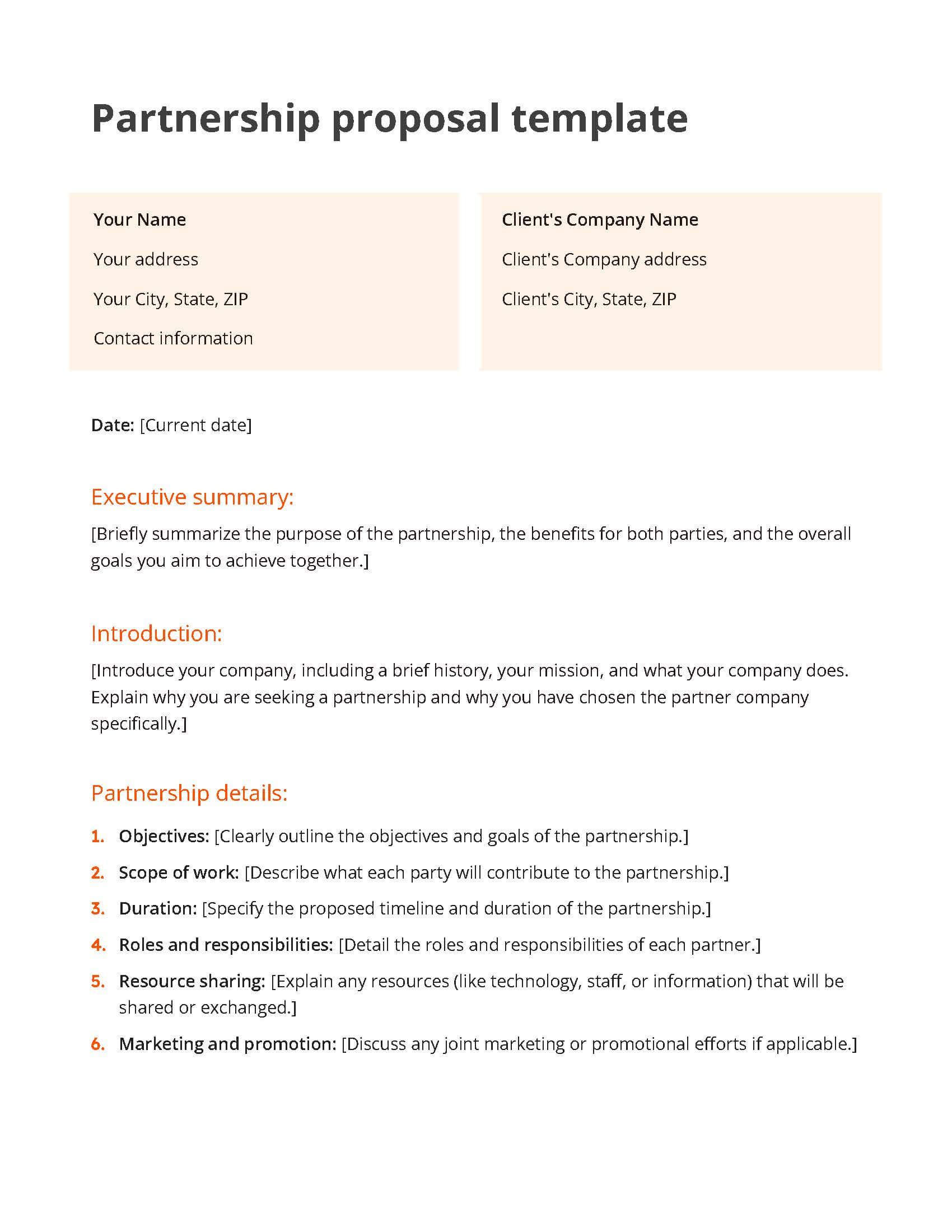
The beauty of an easy business template lies in its ability to offer structure without stifling creativity. Consider a project proposal template. Instead of starting from scratch each time, a well-crafted template provides a framework that ensures all critical elements are addressed—scope, objectives, timelines—without unnecessary effort.
This doesn’t just save time; it enhances clarity and consistency across communications. When every team member uses a uniform structure for reports or proposals, understanding becomes instantaneous. This cohesion reduces misunderstandings and increases productivity.
A Case Study in Efficiency
Take the example of Sarah Thompson, CEO of a mid-sized tech firm. Faced with rapid expansion and mounting administrative tasks, she implemented a suite of easy business templates tailored to her company’s needs—from meeting agendas to strategic planning documents.
- Meeting Agendas: A simple template ensured meetings stayed focused and action-oriented.
- Strategic Plans: Standardized formats enabled quick updates while maintaining strategic alignment across departments.
- Email Responses: Pre-drafted email structures reduced response times by 30% over three months.
The result? Not only did her team report feeling less overwhelmed by day-to-day tasks, but they also had more bandwidth for innovation—a crucial element in staying competitive.
Tapping into Human Psychology
A well-designed template taps into human psychology by reducing decision fatigue—a phenomenon where choices deplete one’s mental resources over time. When leaders don’t have to reinvent the wheel with each new task or document, they conserve energy for more complex decisions that require their full attention.
This approach aligns with studies showing that reducing daily decisions allows individuals to be more focused and effective in critical areas requiring creative problem-solving skills or strategic thinking. In essence, templates act as cognitive offload tools that free up valuable mental space.
The Customization Trade-Off
Of course, there’s always a trade-off between customization and standardization. While pre-defined templates streamline processes efficiently, they can sometimes feel too rigid or impersonal if not well-chosen or adapted thoughtfully to suit specific organizational cultures or projects.
The solution? Balance structure with flexibility: allow room within templates for personalization where it matters most—whether through open-ended sections inviting innovation or optional fields accommodating unique project needs without disrupting overall workflow efficiency.
The Art of Choosing Wisely
Selecting an effective business template starts with understanding your specific challenges and objectives. What are your pain points? Are there recurring tasks eating away at your time that could benefit from standardization?
- Identify Core Needs: Assess which areas will gain most from templating—communications? Strategy development?
- Simplicity is Key: Avoid complex designs; focus on simplicity so everyone can use them easily regardless of experience level.
- User Feedback: Gather input from your team about what works best—they’re often closest to operational inefficiencies needing solutions!
Your Next Step Forward
An easy business template may seem like a simple tool, but it can make daily work much easier. Instead of creating everything from scratch, you can use ready-made templates to save time and avoid repeating tasks. They help keep your work organized and make everyday business activities more efficient.
If you haven’t started using business templates or aren’t making the most of them, now is a good time to give them a try. They can help improve productivity, reduce stress, and make it easier to manage different responsibilities. With less time spent on routine tasks, you can focus more on growing your business and achieving your goals.