Picture this: you’re scrolling through a social media feed and suddenly stop. An ad grabs your attention, not because of what it says, but how it looks. That’s the magic of a well-crafted design template. Top brands have mastered this art, using custom design templates to create eye-catching visuals that resonate with audiences and reinforce brand identity. But how exactly are they doing it?
Consistency Across All Platforms
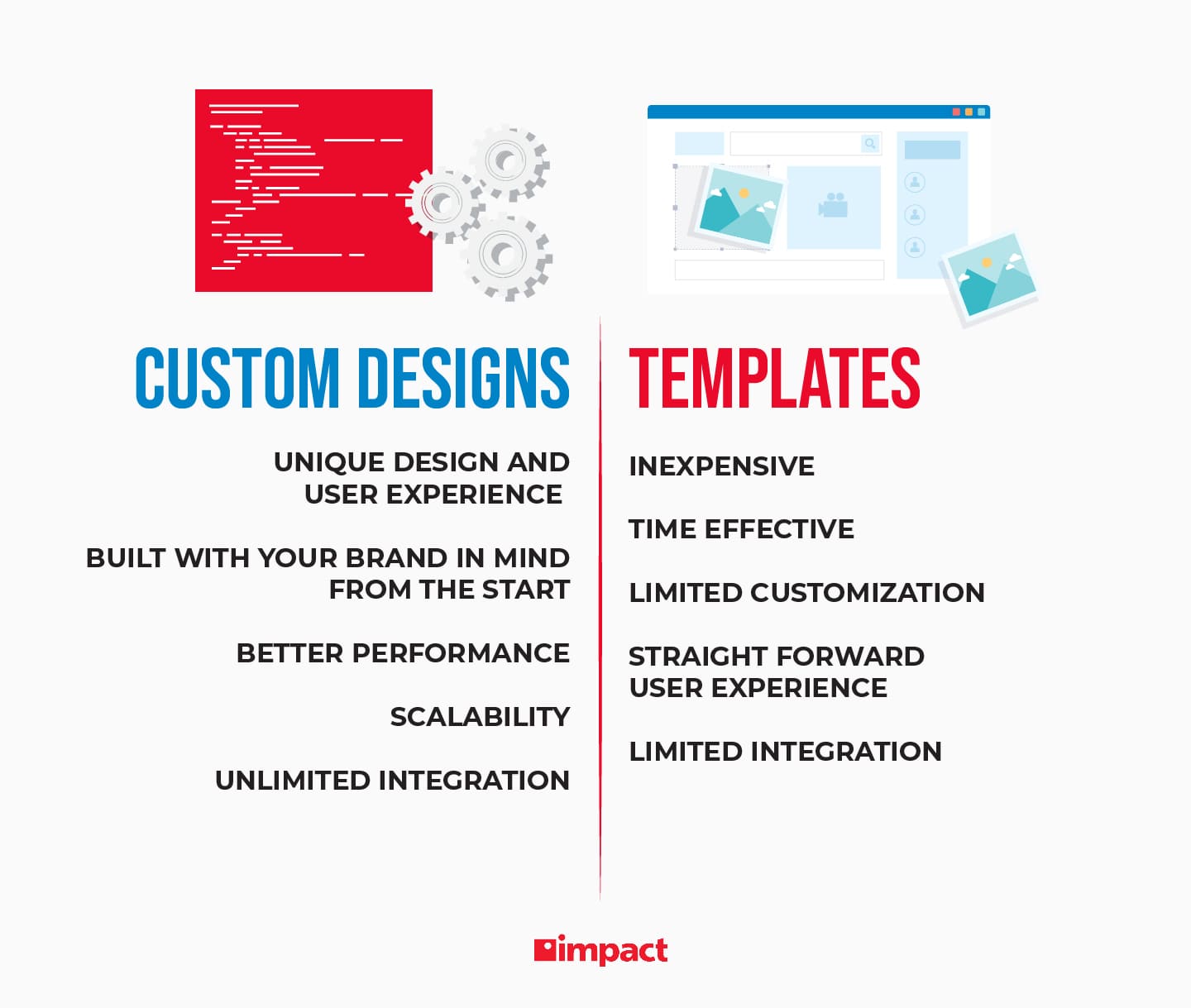
Imagine a brand’s presence scattered across multiple platforms—Instagram, Facebook, Twitter—and each looking distinctively different. It’s jarring and can dilute the brand message. To counteract this, companies leverage custom design templates to maintain consistency in their visual communication. These templates ensure that no matter where you encounter their content, the look and feel remain unmistakably theirs.
- Logos and Colors: Brands lock in specific colors and logos across all templates to enhance recognizability.
- Typography: Font choices are standardized to evoke the right emotion while staying true to the brand’s voice.
Nike’s “Just Do It” campaign is an exemplary case—its design elements are so consistent that even without seeing their logo, many recognize a Nike ad instantly.
Customization for Audience Segmentation
A one-size-fits-all approach rarely works in marketing anymore. Customization is key. By using adaptable design templates, brands can tweak messages for different audience segments without reinventing the wheel each time. This flexibility allows for targeted campaigns where graphics are adjusted according to demographic preferences or geographical relevance.
- Cultural Adaptation: Starbucks modifies its designs slightly for various cultures during international campaigns.
- Demographic Tailoring: Sephora uses custom designs tailored specifically towards millennials versus Gen Z consumers.
The result? A personalized experience that speaks directly to consumer needs without straying from the core brand image.
Streamlining Workflow Efficiency
Create once, use repeatedly—that’s a mantra many top brands follow with their design templates. They streamline production processes by enabling teams to work more efficiently and creatively within predefined parameters.
- Reduced Turnaround Time: With ready-to-use templates, marketing teams can respond swiftly to new opportunities or market changes.
- Easier Collaboration: Shared digital libraries of these resources allow for seamless teamwork across departments or even continents.
This efficiency doesn’t just save time; it saves money—a crucial factor when budgets are scrutinized down to the last cent.
A/B Testing Through Design Variations
The ability to experiment is another surprising way brands stay ahead using custom design templates. By creating slight variations in their template designs, they conduct A/B tests rapidly and effectively identify what resonates most with their audience. Imagine running two identical ads with only minor color differences—results could show which evokes better engagement or conversion rates.
- User Engagement Insight: Understanding user behavior patterns helps refine future campaigns for maximum impact.
- Lowers Risk: Testing mitigates risks associated with launching entirely new creative directions untested on audiences.
This iterative process transforms data into actionable insights that fine-tune marketing strategies over time rather than just based on gut feelings or assumptions alone.
Pushing Creative Boundaries Within Structures
You might think custom design templates stifle creativity by imposing restrictions—but quite the opposite happens! While providing structure through guidelines like colors and typography rules helps maintain brand coherence—the real magic happens when designers push these boundaries innovatively within those limits set by such constraints!
- Diversified Content Creation: Adobe showcases varied aesthetics through consistent yet flexible Adobe Stock imagery themes aligned under unique campaign umbrellas globally every year!
- Sparking Innovation Under Constraints: Google Doodles constantly evolve despite following established branding standards—showcasing creativity within frameworks set forth annually ensuring uniformity worldwide while maintaining room innovative flair upon execution stages themselves.
Combining creative design with modern technology also gives businesses more opportunities to develop engaging marketing ideas. By using the right design templates, small and large businesses alike can create professional promotional materials, reach their target audiences more effectively, and stay competitive in an ever-changing market.


