Imagine a mid-sized manufacturing company thriving in its market niche. Sales are up, customer satisfaction rates are high, and everything seems on track. Then, suddenly, a legal notice arrives—a multimillion-dollar lawsuit due to non-compliance with industry regulations. The root cause? A faulty template example used in crucial documentation processes.
Companies often rely on templates for efficiency and uniformity in operations. But using the wrong template example can result in catastrophic outcomes. It’s a tale of cost-cutting gone wrong and oversight blind spots. This isn’t just about missing logos or misplaced headers; it’s about operational integrity being compromised.
The Chain Reaction of Using Faulty Templates
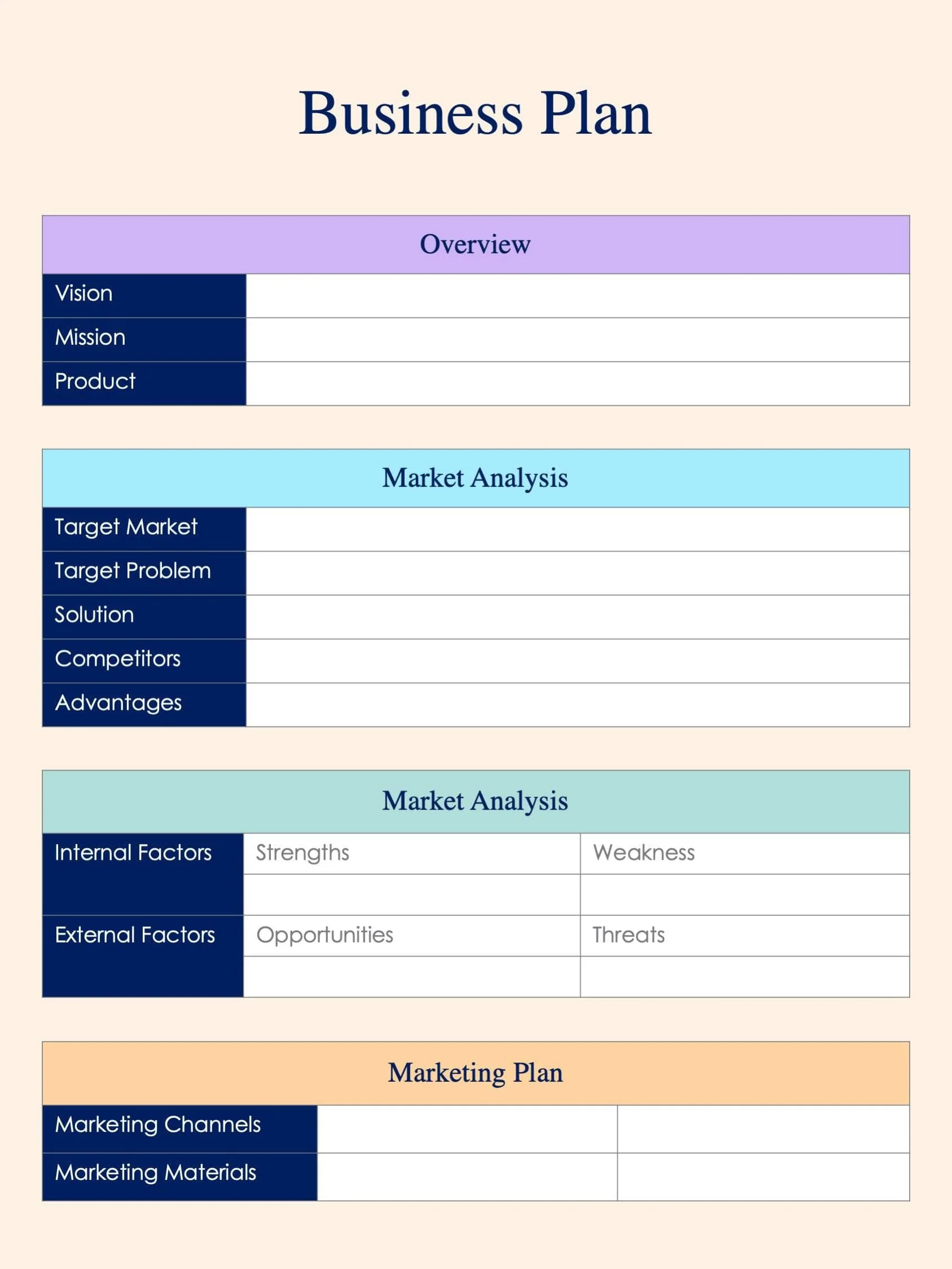
Templates are the backbone of standardization, especially when dealing with expansive bureaucratic processes or regulatory compliance. In 2020, a case involving XYZ Manufacturing underscored how a single oversight in template selection could spiral out of control.
XYZ Manufacturing had been updating its safety compliance documents annually using an internal template that was inadvertently outdated by two years. This old template lacked the critical updates required by new federal safety regulations introduced that year.
Regulatory Compliance Risks
- Outdated Information: The incorrect template lacked key fields mandated by updated safety standards, which included recent hazard communication protocols.
- Lack of Version Control: The absence of stringent version control meant employees were not working off the most current forms, leading to repeated compliance violations across multiple departments.
- A Domino Effect: Each inaccurate document submitted to regulators amplified liability risks and compounded fines—ultimately totaling $3 million in penalties over one fiscal year.
The Financial Impact
The financial ramifications didn’t stop at penalties. XYZ Manufacturing faced indirect costs such as damaged reputational capital and loss of business opportunities with clients wary of association with non-compliant vendors. Additional resources were diverted to rectify documentation errors and implement corrective staff training programs. The final tally: an estimated $5 million hit to their bottom line that year alone.
Avoiding Template Traps: Strategies for Success
The stark consequences faced by XYZ Manufacturing highlight the urgent need for robust template management strategies within organizations relying heavily on templated documents for critical operations. Here’s how companies can shield themselves from similar fates:
Implement Strong Version Control Systems
An effective version control system ensures that only the most current templates are available for use across departments. This could involve digital solutions like integrated document management systems (DMS) which provide automatic updates and log changes made over time—minimizing human error significantly.
- Track Changes: Incorporate software that logs every modification made to templates along with who made them and when they were implemented.
- User Access Management: Restrict editing rights to authorized personnel only while providing view access organization-wide where necessary.
Create a Template Audit Schedule
A proactive approach involves regular audits—monthly or quarterly—to ensure all templates meet current standards both internally set and those required by external regulators or partners. Auditing helps spot discrepancies early before they cascade into larger issues down the line.
- Diverse Audit Teams: Assign cross-functional teams responsible for auditing different types of templates—from HR documentation to technical manuals—bringing varied expertise into play during reviews.
- Simplified Checklists: Utilize checklists tailored specifically towards ensuring compliance requirements are embedded within each template example reviewed.
The Hidden Costs Beyond Dollars
The damage caused by using erroneous templates extends beyond monetary loss—it erodes trust within client relationships and among stakeholders reliant on accurate data representation for decision-making purposes.
An incorrect financial report sent out due to an obsolete spreadsheet template doesn’t just affect internal bookkeeping; it shakes investor confidence if discovered post-factum during disclosures sessions or annual reports review cycles.
Cultural Shifts Toward Accuracy Awareness
This necessitates fostering organizational cultures attuned towards precision-first attitudes at every workflow stage—from document drafting through final approval stages carried out before external dissemination occurs.
A Costly Lesson With A Path Forward
Template errors aren’t glamorous but neither is losing millions over preventable mistakes tied back directly into assumption-driven practices rather than disciplined adherence monitoring mechanisms embedding throughout corporate structures effectively mitigating such occurrences consistently ahead potentially occurring again elsewhere under similar circumstances somewhere down future timelines ahead now foreseeable today!


